A scratch kitchen is more than just a trend—it’s a smarter way to cook, eat, and live. When you prepare food from scratch, you control the ingredients, flavors, and quality of every meal. This approach not only improves taste but also promotes healthier eating habits and reduces reliance on processed foods.
In today’s fast-paced world, many people assume cooking from scratch is time-consuming. However, with the right strategies, a scratch kitchen can actually simplify your daily cooking routine. Whether you’re a beginner or an experienced home cook, these proven scratch kitchen tips will help you create better meals with confidence.
This guide goes beyond basic advice by covering practical systems, time-saving methods, and expert insights that most competitors overlook. Let’s explore how to make your scratch kitchen more efficient, enjoyable, and rewarding.
What Is a Scratch Kitchen?
A scratch kitchen focuses on preparing meals using whole, raw ingredients instead of pre-packaged or processed foods. This means making sauces, doughs, and meals from the ground up.
Unlike convenience cooking, a scratch kitchen emphasizes:
- Fresh ingredients
- Homemade recipes
- Nutritional control
- Flavor customization
This approach is widely used in both home kitchens and professional restaurants aiming for high-quality results.
1. Start with High-Quality Ingredients
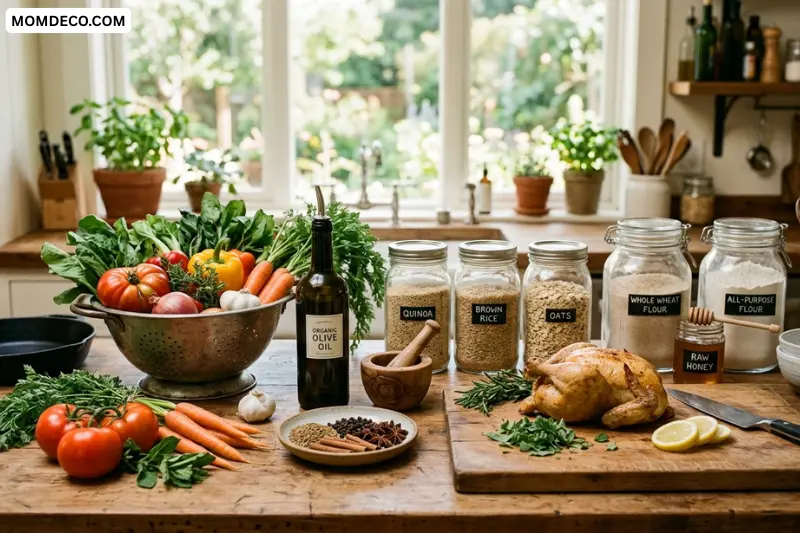
The foundation of every successful scratch kitchen is the quality of ingredients. Fresh vegetables, whole grains, and premium proteins significantly impact flavor and nutrition.
When shopping, prioritize seasonal produce and locally sourced items whenever possible. These ingredients are often fresher and more flavorful than mass-produced alternatives.
Also, keep your pantry stocked with essentials such as:
- Olive oil
- Whole spices
- Flour and grains
- Natural sweeteners
Using better ingredients ensures your scratch kitchen meals taste richer and require fewer artificial enhancements.
2. Master Basic Cooking Techniques

A well-functioning scratch kitchen depends on mastering simple cooking techniques. You don’t need to be a professional chef—just focus on core skills that make a big difference.
Important techniques include sautéing, roasting, boiling, and baking. Understanding how heat affects food allows you to cook efficiently and avoid common mistakes.
For example, roasting vegetables enhances their natural sweetness, while proper sautéing locks in flavor and texture.
Improving these basics will elevate every dish you prepare in your scratch kitchen.
3. Plan Meals and Prep Ahead
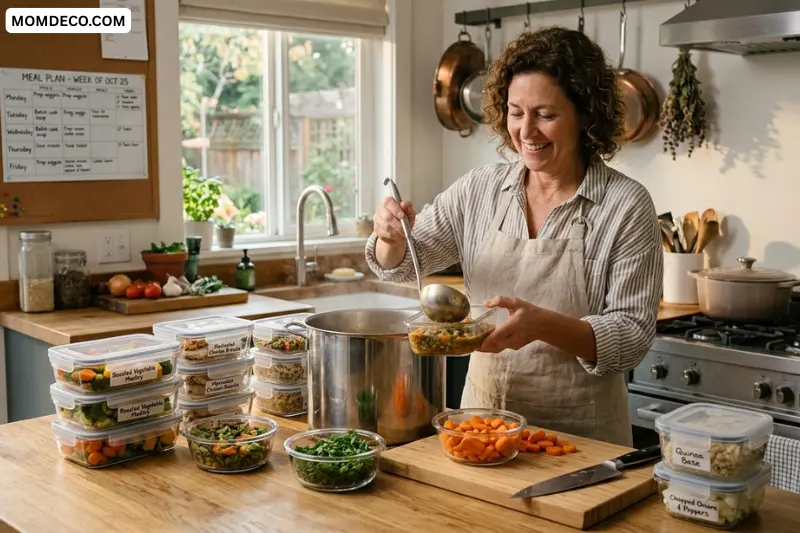
One of the biggest challenges in maintaining a scratch kitchen is time management. The solution is simple: meal planning and preparation.
Set aside time each week to plan meals, chop vegetables, and prepare ingredients. This reduces stress during busy days and helps you stay consistent.
Batch cooking is another powerful strategy. Prepare large portions of soups, sauces, or grains and store them for later use.
This approach not only saves time but also ensures you always have healthy scratch kitchen meals ready to go.
4. Build a Smart Kitchen System

Most competitors overlook this step, but creating a system is what truly makes a scratch kitchen sustainable.
Organize your kitchen for efficiency:
- Keep frequently used tools within reach
- Label pantry items clearly
- Store ingredients properly to extend freshness
Additionally, create a rotation system for ingredients to minimize waste. This means using older items first and planning meals around what you already have.
A well-organized scratch kitchen reduces cooking time and improves consistency.
5. Focus on Flavor Layering

Great meals in a scratch meal kitchen come from building layers of flavor. Instead of relying on processed sauces, use natural ingredients to enhance taste.
Start with aromatics like garlic, onions, and herbs. Add spices gradually and taste as you cook. Balance flavors by combining salty, sweet, acidic, and savory elements.
For example, adding a splash of lemon juice or vinegar can brighten a dish instantly.
This technique transforms simple ingredients into restaurant-quality meals without extra cost.
Common Mistakes to Avoid in a Scratch Kitchen
Many beginners struggle because they expect perfection immediately. Avoid these common pitfalls:
Overcomplicating recipes can lead to frustration. Start simple and build your skills gradually. Ignoring preparation can also slow you down—always prep ingredients before cooking.
Another mistake is not seasoning properly. Taste your food frequently and adjust as needed.
Benefits of a Scratch Kitchen Lifestyle
Adopting a scratch kitchen approach offers long-term advantages beyond just cooking.
It promotes healthier eating by reducing preservatives and additives. It also saves money over time, as whole ingredients are often more cost-effective than processed foods.
Additionally, cooking from scratch builds valuable skills and creates a deeper connection with food.
Here are some additional benefits of a scratch meal kitchen:
- Greater control over portion sizes and calorie intake
- Reduced food waste through better planning and storage
- Improved family bonding through shared cooking experiences
- Enhanced creativity in meal preparation
- Better dietary customization for allergies or preferences
- Increased appreciation for fresh and seasonal ingredients
- Lower dependence on takeout and fast food
- More sustainable and eco-friendly cooking habits
What does scratch kitchen mean?
A scratch meal kitchen refers to cooking meals using raw, whole ingredients instead of processed foods.
Is a scratch kitchen healthier?
Yes, it allows you to control ingredients, reducing additives and improving nutrition.
How do I start a scratch kitchen at home?
Begin with simple recipes, stock basic ingredients, and practice essential cooking techniques.
Does cooking from scratch take more time?
Initially yes, but with meal planning and prep, it becomes faster and more efficient.
What are essential ingredients for a scratch kitchen?
Staples include fresh produce, grains, oils, spices, and proteins.
Can beginners manage a scratch kitchen?
Absolutely. Start simple and gradually build skills and confidence.
Is a scratch kitchen expensive?
Not necessarily. Buying whole ingredients often reduces overall food costs.
What tools are needed for a scratches kitchen?
Basic tools like knives, cutting boards, pans, and measuring cups are sufficient.
How can I save time in a scratches kitchen?
Use meal planning, batch cooking, and ingredient prep strategies.
Why is flavor better in a scratches kitchen?
Fresh ingredients and proper techniques enhance natural flavors without artificial additives
Final Thoughts
A scratch kitchen is not about perfection—it’s about progress. By focusing on quality ingredients, mastering techniques, and building efficient systems, you can transform your everyday meals.
These proven scratch kitchen tips go beyond basic advice, helping you create meals that are healthier, tastier, and more satisfying. With consistency and practice, your kitchen can become a place of creativity and enjoyment.