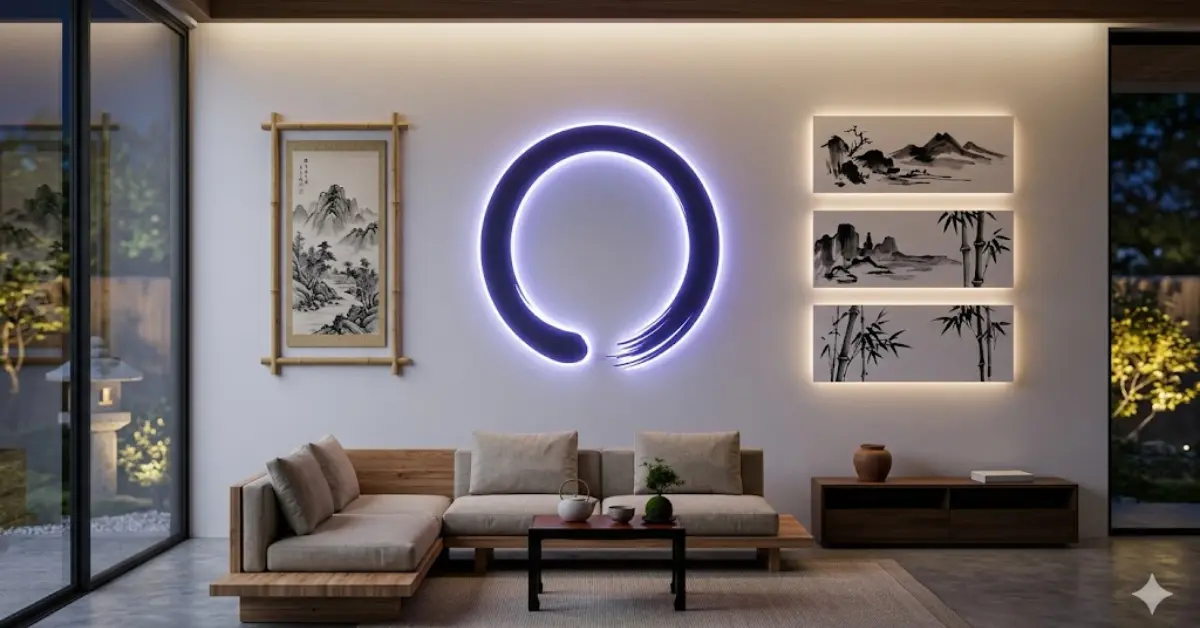
Japanese wall decor draws from one of the oldest and most respected design traditions in the world — one built on simplicity, a deep respect for nature, and the belief that what you leave empty matters just as much as what you put up. In a world of cluttered feeds and overstimulated spaces, that philosophy could not feel more relevant.
Whether you are starting from scratch or simply want to breathe new life into a room that feels flat, this guide gives you everything you need. We cover the cultural principles behind the style, the most beautiful types of Japanese wall art, room-by-room placement advice, and the practical details that most guides skip entirely — like how seasonal rotation keeps your home feeling fresh all year, or why the empty wall around your art is just as important as the art itself.
By the end, you will not just know what to buy. You will know exactly how to use it.
Japanese Wall Decor: The Complete Guide to Transforming Your Home
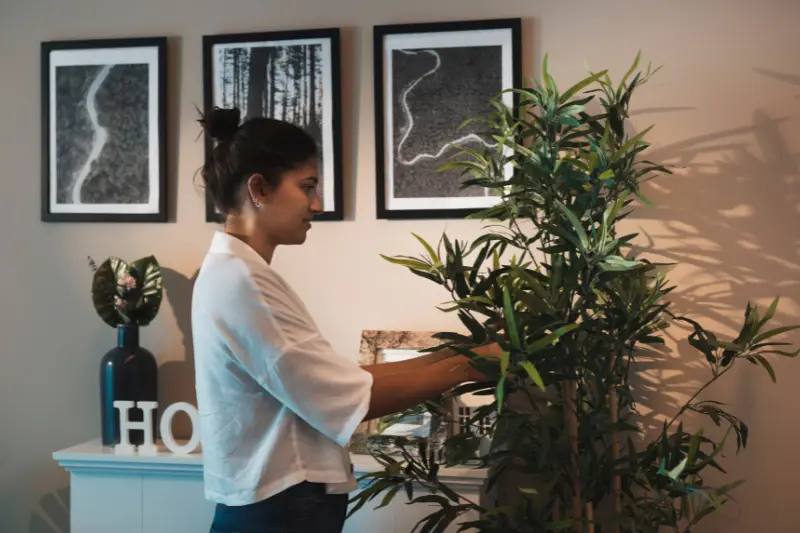
If you have ever walked into a room and instantly felt calm, there is a good chance Japanese wall decor had something to do with it. This timeless design style brings together beauty, balance, and meaning in a way that very few others can. Whether you are redesigning your living room or simply want to refresh a blank wall, Japanese wall decor gives you a powerful and elegant way to do it.
This guide covers everything you need to know — from the philosophy behind the style, to the specific types of art, to practical tips for every room in your home.
What Is Japanese Wall Decor?
Japanese wall decor refers to wall art and decorative elements inspired by traditional and modern Japanese aesthetics. It draws from centuries-old cultural values like simplicity, harmony with nature, and mindful craftsmanship.
Unlike maximalist Western decor, Japanese wall decor is intentional. Every piece earns its place on the wall. The result is a space that feels open, peaceful, and visually interesting — without feeling cluttered.
Key principles that define Japanese wall decor include:
- Ma (間) — the concept of negative space; what you leave empty is just as important as what you fill
- Wabi-Sabi — finding beauty in imperfection and natural aging
- Shibui — understated elegance through simplicity and natural materials
- Kanso — elimination of clutter in favor of clean, purposeful design
Most competitors do not explain these principles, yet they are the backbone of why Japanese wall decor works so beautifully in modern homes.
Why Japanese Wall Decor Is More Popular Than Ever
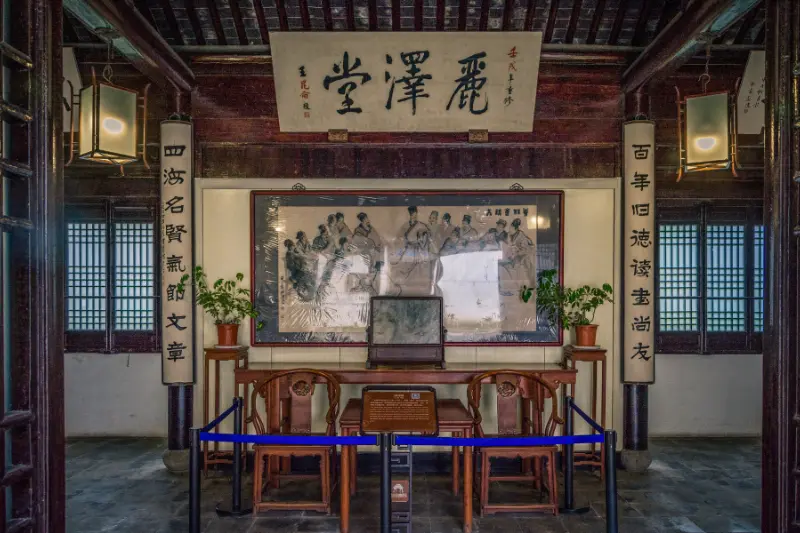
People today are tired of busy, overwhelming spaces. Studies in environmental psychology consistently show that minimalist, nature-inspired environments reduce stress and improve focus. Japanese wall decor delivers exactly that.
Beyond wellness, the rise of remote work has pushed homeowners to create spaces that feel serene and inspiring at the same time. A single piece of Japanese wall decor — like a brushstroke painting or a bamboo-framed print — can completely change how a room feels.
Types of Japanese Wall Decor
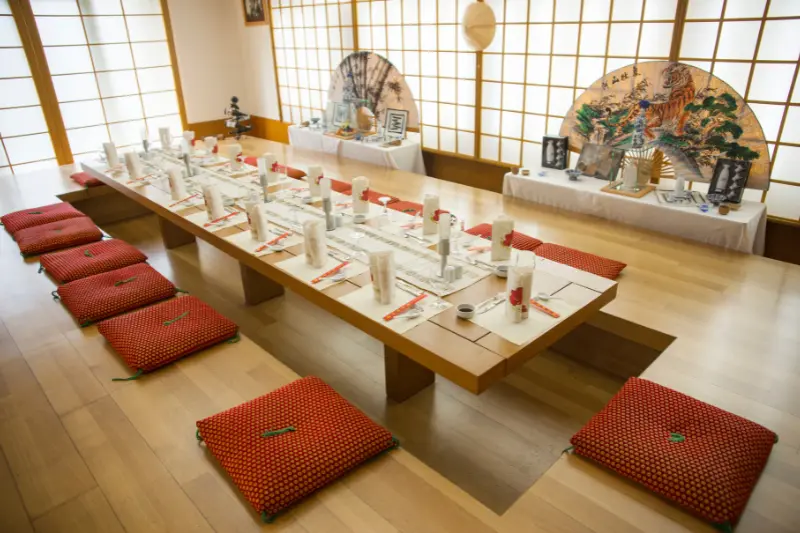
Understanding the different types helps you choose the right pieces for your space and personality.
1. Ukiyo-e Woodblock Prints
Ukiyo-e (literally “pictures of the floating world”) are among the most recognized forms of Japanese wall decor. Artists like Hokusai and Hiroshige created iconic prints during the Edo period (1603–1868) featuring waves, mountains, birds, and daily life scenes.
Hokusai’s The Great Wave off Kanagawa is the most famous example, but there are thousands of lesser-known prints that bring a quieter, more personal energy to a room. You can find high-resolution scans through the Library of Congress and have them printed on quality media for an affordable, authentic look.
Best for: Living rooms, home offices, hallways
2. Sumi-e Ink Brush Paintings
Sumi-e is the Japanese art of ink wash painting. Artists use a single brush and black ink to create bold, expressive images of nature — bamboo, cherry blossoms, koi fish, mountains. The beauty lies in the simplicity: a few confident brushstrokes that say more than a photorealistic painting ever could.
Sumi-e prints and originals make a strong focal point on any neutral wall. They work especially well in large formats.
Best for: Bedrooms, meditation spaces, reading nooks
3. Kanji and Calligraphy Art
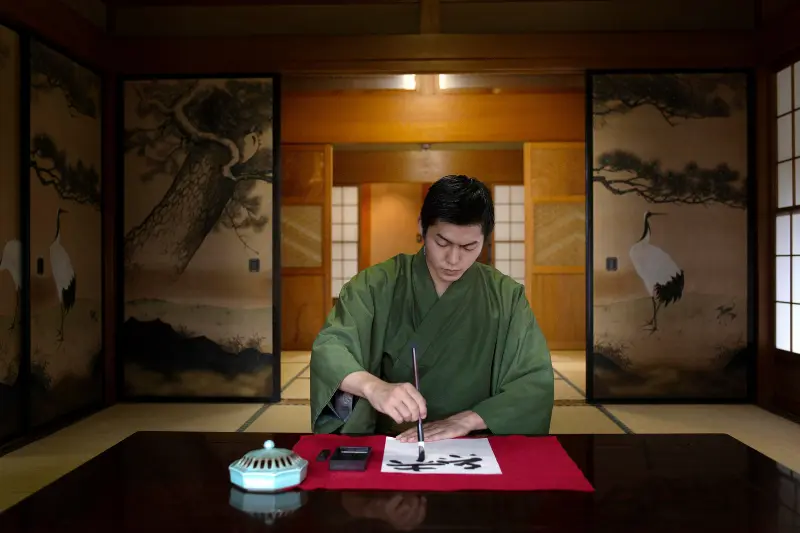
Japanese calligraphy (Shodo) turns written language into visual art. Single kanji characters like 和 (wa, meaning harmony), 静 (sei, meaning quiet), or 愛 (ai, meaning love) become powerful wall pieces when rendered in brushstroke form.
This type of Japanese wall decor is meaningful and personal. Many people choose a kanji that reflects their intention for a specific room — 静 for a bedroom, 楽 (raku, meaning joy) for a living space.
Best for: Any room; especially meaningful in personal spaces
4. Nature Photography and Botanical Art
Japan’s natural world — cherry blossoms, autumn maples, mossy temples, misty mountains — provides endless visual material. Fine art photography and botanical prints inspired by Japanese landscapes bring the outside in and align perfectly with the Shizen philosophy (harmony between people and nature).
Look for soft, desaturated tones rather than bright, saturated colors. The goal is calm, not stimulation.
Best for: Kitchens, bathrooms, bedrooms
5. Noren (Fabric Wall Hangings)
Noren are traditional Japanese fabric dividers, but they also work beautifully as wall art. Hung on a wooden dowel, a noren with an indigo-dyed pattern, koi motif, or crane design adds texture and softness to a wall in a way that framed prints cannot.
This is an underrated form of Japanese wall decor that most competitors overlook entirely.
Best for: Entryways, dining rooms, boho-style bedrooms
6. Zen and Abstract Ensō Art
The Ensō (円相) is a hand-brushed circle that represents the universe, completeness, and the beauty of imperfection. It is one of the most powerful symbols in Zen Buddhism and has become a beloved motif in modern home decor.
Ensō art is perfect for minimalist spaces because it is bold yet deeply simple. It asks the viewer to slow down and reflect.
Best for: Meditation rooms, living rooms, home offices
7. Modern Japandi Wall Art
Japandi is a hybrid design movement that blends Japanese minimalism with Scandinavian warmth. Japandi wall art typically features muted earthy tones, organic shapes, clean lines, and a quiet elegance that suits contemporary homes perfectly.
Think abstract botanicals, line drawings of natural forms, and landscape prints in warm neutrals like cream, sage, taupe, and charcoal.
Best for: Any modern room, especially open-plan spaces
How to Choose the Right Japanese Wall Decor for Your Space
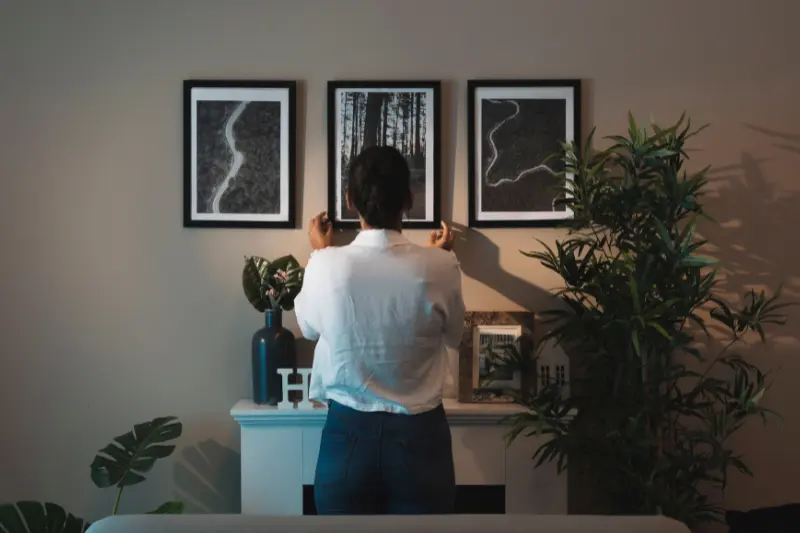
Choosing Japanese wall decor is not just about picking something that looks nice. It is about choosing something that fits the room’s purpose, light, and color palette.
Match the Mood to the Room
- Bedroom: Choose calming subjects — misty mountains, bamboo groves, soft ensō circles. Avoid bold, high-contrast pieces.
- Living room: A large-format woodblock print or sumi-e painting makes a strong, conversation-worthy focal point.
- Home office: Kanji calligraphy with words like 集中 (concentration) or 忍耐 (patience) adds quiet intention.
- Kitchen: Botanical prints, cherry blossom photography, or food-inspired Japanese art (like fish illustrations) work beautifully.
- Bathroom: Small, simple pieces in soft tones — think single brushstroke birds or pale sakura prints.
Consider Scale
One common mistake is choosing pieces that are too small. In Japanese interior design, a single large piece often works better than several small ones. A 24×36 inch sumi-e print on a white wall creates a stronger, more intentional impact than a cluster of small frames.
Stick to a Cohesive Color Palette
Japanese wall decor works best within a neutral palette. Stick to:
- Warm whites and creams
- Soft charcoals and blacks
- Earthy tans and warm browns
- Muted greens and sage
- Deep indigos and navy blues
Avoid mixing too many colors. The restraint is part of the beauty.
Choose Natural Frames and Materials
The frame matters as much as the art. For Japanese wall decor, always lean toward:
- Raw or light wood frames (bamboo, oak, maple)
- Simple black lacquer frames for traditional pieces
- Unframed canvas for a modern, minimal look
- Wooden dowel hangings for fabric or scroll art
Avoid ornate gold or silver frames — they contradict the simplicity at the heart of Japanese design.
Room-by-Room Guide to Japanese Wall Decor
Living Room
The living room is where Japanese wall decor can make the biggest impact. Choose one large statement piece as your anchor — a Great Wave reproduction, a large ensō painting, or a striking sumi-e bamboo print. Then let the surrounding wall breathe.
If you want a small gallery wall, limit it to three to five pieces and keep strong visual whitespace between them. Use odd numbers — they feel more natural and less rigid.
Bedroom
The bedroom calls for serenity. A single large piece above the bed headboard is a classic approach. Consider a soft, hand-brushed bamboo painting or a delicate cherry blossom print in pale pink and white. Avoid anything too bold or graphically complex — your bedroom is a space for rest.
Add depth by mixing a framed print with a small noren hung nearby. The combination of textures adds visual interest without noise.
Home Office
Your workspace benefits enormously from intentional Japanese wall decor. A kanji character for focus or strength directly in your line of sight is both decorative and motivational. Pair it with a simple nature print on an adjacent wall to soften the space.
Avoid hanging art behind your monitor where it distracts. Instead, place it on the wall you face during breaks.
Hallway and Entryway
First impressions matter. A noren hung at the entry creates instant atmosphere. Alternatively, a vertical scroll-style print or a tall, narrow sumi-e painting works perfectly in tight hallway spaces. Use the entryway to set the tone for the rest of your home’s aesthetic.
Dining Room
Japanese culture places deep value on the dining experience. Hang a botanical print or a landscape woodblock near the dining table to create a calm, grounding backdrop for meals. Avoid anything too stimulating — the art should complement conversation, not compete with it.
Styling Tips Most Competitors Do Not Tell You
These practical details make the difference between a wall that looks curated and one that just looks “nice.”
Hang art at the right height. The center of any wall piece should sit at eye level — approximately 57 to 60 inches from the floor. This is a museum standard that instantly makes art look more professional and intentional.
Use picture rails or command strips for flexibility. Japanese interior design values adaptability. Being able to rearrange your wall decor seasonally — swapping a spring cherry blossom print for an autumn maple piece — keeps your home feeling fresh and alive.
Embrace seasonal rotation. This is a key Japanese concept called Kisetsukan — seasonal awareness. Change your Japanese wall decor to reflect the time of year. Cherry blossom art in spring, lush green bamboo in summer, fiery maple prints in autumn, and spare, snowy mountain scenes in winter.
Leave space around your art. Resist the urge to fill every inch of your wall. In Japanese design, the empty space around a piece is part of the composition. Give your art room to breathe, and it will have far more presence.
Layer textures, not colors. If you want visual depth without breaking the neutral palette, mix a woven noren, a matte print, and a wooden frame sculpture. The variety of textures creates interest while the unified tone keeps the space peaceful.
Where to Find Quality Japanese Wall Decor
You do not need to travel to Tokyo to find authentic, beautiful pieces. Here are the best sources:
- Etsy — A vast selection of handmade and digital Japanese art prints, calligraphy, and noren from independent artists worldwide
- Japanese antique shops and flea markets — Both in-person and online vintage shops often carry original ukiyo-e prints and handcrafted pieces at reasonable prices
- Museum print shops — The Metropolitan Museum of Art, the British Museum, and the Smithsonian all sell high-quality reproductions of iconic Japanese woodblock prints
- Library of Congress digital collection — Free, high-resolution scans of pre-1915 Japanese prints that you can have professionally printed
- Local art galleries — Many contemporary artists work in Japanese-inspired styles; buying local supports artists and gives you truly unique pieces
When buying online, always check printing quality, material descriptions, and seller reviews. Look for terms like archival inks, acid-free paper, and giclee printing — these indicate professional-quality reproductions.
Common Mistakes to Avoid with Japanese Wall Decor
Even with the best intentions, it is easy to go wrong. Here is what to watch out for:
- Overcrowding the wall. More is not better in Japanese design. Two or three well-chosen pieces always beat a wall covered in small frames.
- Mixing too many styles. Japanese wall decor works best in a cohesive environment. Pairing it with busy, maximalist elements breaks the harmony.
- Ignoring scale. A tiny print on a large wall looks lost and unintentional. Scale up or group thoughtfully.
- Choosing the wrong colors. Bright, saturated colors in frames or mats compete with the art. Stick to natural, muted tones.
- Buying mass-produced reproductions without checking quality. Low-quality printing on cheap paper undermines even the most beautiful subject matter.
FAQs
What is the most popular type of Japanese wall decor?
Ukiyo-e woodblock prints are the most widely recognized, with Hokusai’s Great Wave being the iconic example. However, sumi-e ink brush paintings and ensō circle art are also extremely popular in modern homes for their minimalist beauty.
Is Japanese wall decor suitable for modern or contemporary homes?
Absolutely. Japanese wall decor blends seamlessly into modern, Scandinavian, Japandi, bohemian, and even industrial interiors. The key is choosing pieces with clean lines, natural materials, and a muted color palette that complements your existing decor.
How many pieces of Japanese wall decor should I display in one room?
Less is more. For most rooms, one large focal piece or a small grouping of two to three items is ideal. Japanese design values restraint — resist the urge to fill every wall.
What colors work best with Japanese wall decor?
inspired palettes work best: whites, creams, warm grays, soft charcoals, earthy browns, muted greens, and deep indigos. These tones complement the art without competing with it.
How do I hang Japanese scroll art or a noren?
Use a simple wooden dowel or a bamboo rod. Hang it with two small hooks placed evenly apart. For lighter fabric noren, adhesive hooks work well. The natural rod complements the organic materials and keeps the look clean.
Can I mix Japanese wall decor with other styles?
Yes, but do so thoughtfully. Japanese wall decor pairs beautifully with Scandinavian, bohemian, and minimalist styles. It can also work in eclectic spaces as long as the surrounding elements respect the palette and simplicity of the Japanese pieces.
What does ensō mean in Japanese wall decor?
The ensō is a hand-brushed circle symbolizing the universe, wholeness, and the beauty of imperfection. It is one of the most meaningful and visually powerful symbols in Zen Buddhist art, and it makes a striking, deeply personal piece of wall art.
How can I create a seasonal Japanese wall decor rotation?
Buy a few pieces representing different seasons — cherry blossoms for spring, lush bamboo for summer, maple leaves for autumn, and snow-dusted mountains for winter. Store off-season pieces safely and swap them out every few months. This practice, inspired by the Japanese concept of Kisetsukan, keeps y
CONCLUSION
Bring It All Together
Japanese wall decor is one of the most powerful tools you have for shaping how your home feels — not just how it looks.
The philosophy behind it has lasted for centuries because it is rooted in something true: that calm, intentional spaces make life better. A room with one perfect piece of sumi-e art, hung at the right height, surrounded by breathing space, does more for your wellbeing than a wall covered in ten things you picked up impulsively.
That is the real lesson from Japanese design. It is not about restraint for restraint’s sake. It is about choosing carefully so that everything you keep genuinely earns its place.
Start small. Choose one wall. Pick one piece that speaks to you — a woodblock print, an ensō circle, a noren with an indigo pattern you cannot stop thinking about. Hang it with intention. Step back, and give it room to breathe.
You will be surprised how much one right piece can change a room. And once you feel it, you will understand why people have been living this way for hundreds of years.