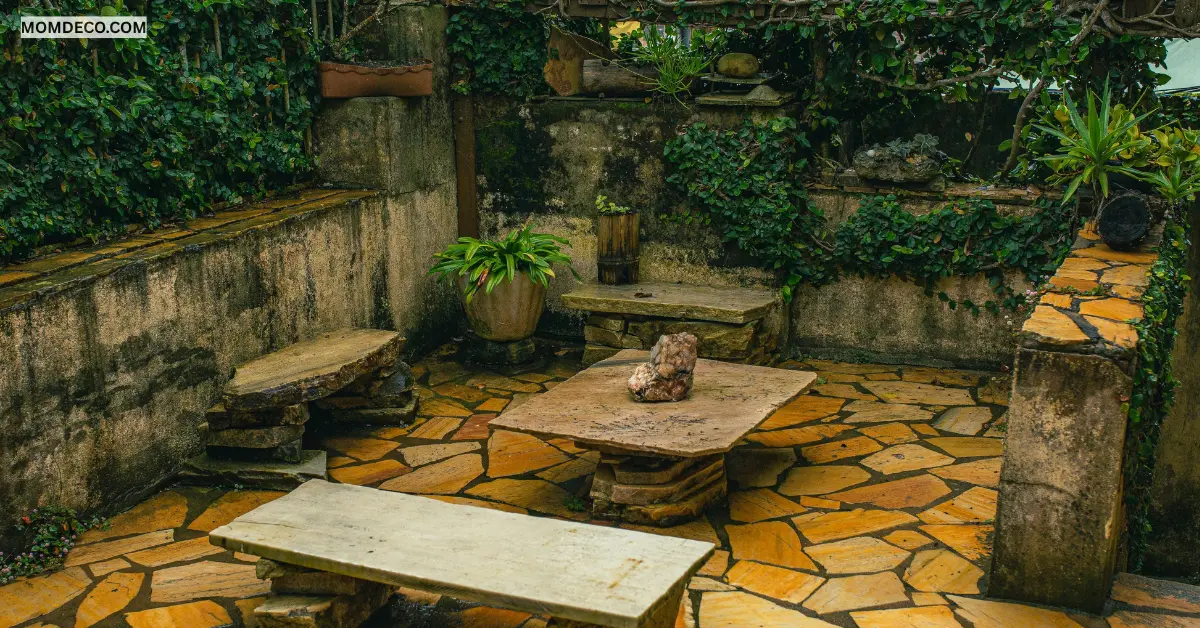
Paved gardens are becoming increasingly popular among homeowners who want a beautiful outdoor space that is both practical and easy to maintain. Unlike traditional lawns that require regular mowing, watering, and upkeep, paved gardens offer a stylish solution that can be enjoyed throughout the year.
Whether you have a small urban courtyard, a family backyard, or a spacious landscape, paving can help you create a functional outdoor living area. From elegant patios and garden pathways to outdoor dining spaces and relaxing retreats, the possibilities are endless.
Many garden design articles focus only on paving materials or decorative ideas. However, creating a successful paved garden involves much more than laying slabs. This guide covers proven design tips, plant combinations, drainage solutions, maintenance advice, and common mistakes to avoid so you can create a paved garden that looks stunning and lasts for years.
What Are Paved Gardens?
Paved gardens are outdoor spaces that use hard landscaping materials such as stone, brick, concrete, porcelain, or gravel to create usable and attractive areas. These materials can be used for patios, pathways, seating areas, and decorative features.
The best paved gardens combine hard surfaces with plants and greenery to create a balanced environment. This mix prevents the space from feeling too harsh while maintaining the practical benefits of paving.
Benefits of Paved Gardens
Paved gardens offer several advantages that make them appealing for modern homeowners.
Key benefits include:
- Lower maintenance compared to lawns
- Better accessibility and usability
- Improved drainage options
- Enhanced property value
- Cleaner outdoor spaces during wet weather
- More opportunities for outdoor entertaining
In addition to being practical, paved gardens can be designed to suit almost any style, from traditional cottage gardens to sleek contemporary landscapes.
1. Choose the Right Paving Material
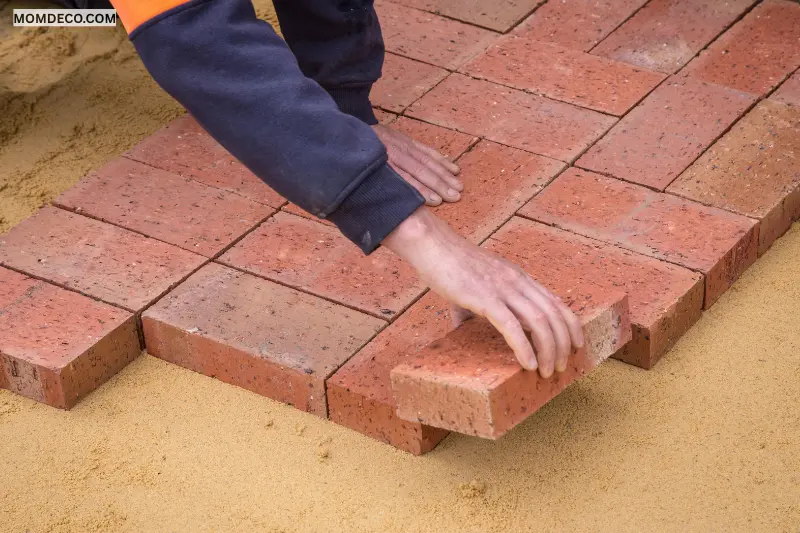
Selecting the right paving material is one of the most important decisions you will make. The material affects the appearance, durability, maintenance requirements, and overall cost of your project.
A material that works well in one garden may not be suitable for another. Consider your budget, climate, garden style, and intended use before making a decision.
Popular Paving Materials
Natural Stone
Natural stone remains one of the most sought-after choices for paved gardens. Materials such as sandstone, slate, and limestone offer timeless beauty and unique textures.
Natural stone works particularly well in traditional and luxury garden designs because no two slabs are exactly alike.
Porcelain Paving
Porcelain paving is a modern option known for its sleek appearance and durability. It is resistant to stains, fading, and moisture, making it ideal for busy households.
Many homeowners choose porcelain because it delivers a contemporary look while requiring minimal maintenance.
Brick Pavers
Brick pavers create a warm and classic appearance. They are often used in cottage-style gardens and traditional landscapes where charm and character are important.
Concrete Pavers
Concrete pavers offer excellent versatility. Available in many colors, shapes, and finishes, they provide a cost-effective solution for a wide range of garden designs.
Gravel
Gravel is one of the most affordable paving options available. It provides excellent drainage and works particularly well in rustic, informal, or Mediterranean-inspired gardens.
How to Choose the Best Material
When selecting a paving material, consider:
- Your available budget
- Local weather conditions
- Expected foot traffic
- Maintenance preferences
- Existing home architecture
Choosing a material that complements your home creates a more cohesive and visually appealing outdoor space.
2. Combine Paving With Plants
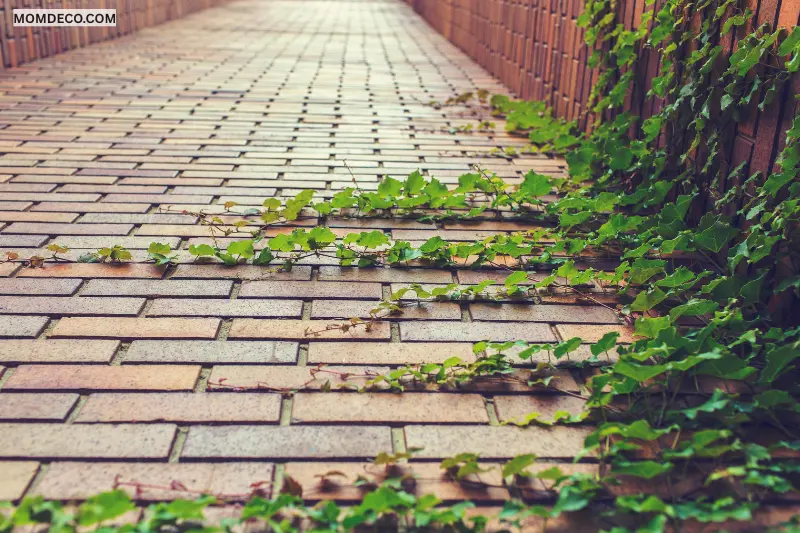
One of the biggest mistakes homeowners make is covering too much of the garden with paving. While paving provides structure, plants add softness, color, and seasonal interest.
The most attractive paved gardens create a balance between hard landscaping and greenery.
Best Plants for Paved Gardens
Several plants work exceptionally well around paving because they require little maintenance and soften hard edges.
Popular choices include:
- Creeping thyme
- Irish moss
- Blue star creeper
- Lavender
- Sedum
- Ornamental grasses
- Erigeron
These plants can be placed along pathways, around patios, or even between paving slabs for a natural look.
Planting Between Pavers
Planting between pavers has become a major landscaping trend. Ground-cover plants create a softer appearance while helping reduce weed growth and improving biodiversity.
This simple design technique can make paved gardens feel more established and connected to nature.
3. Create Functional Garden Zones
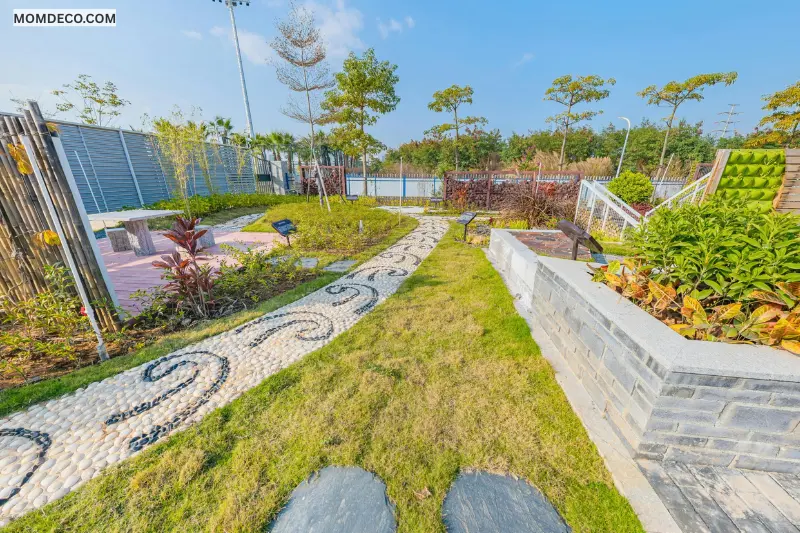
A successful paved garden should not only look attractive but also serve a purpose. Dividing your garden into functional zones helps maximize available space and improve usability.
Even small gardens can benefit from thoughtful zoning.
Outdoor Dining Area
A paved patio creates a stable and comfortable surface for outdoor dining furniture. This area can become the perfect place for family meals and entertaining guests.
Relaxation Space
Adding comfortable seating, a pergola, or a water feature can transform part of your garden into a peaceful retreat.
Garden Pathways
Clearly defined paths help visitors move naturally through the garden while protecting plants from accidental damage.
Multi-Purpose Areas
Modern paved gardens often include flexible spaces that can be used for relaxing, entertaining, or children’s activities.
4. Use Permeable Paving for Better Drainage
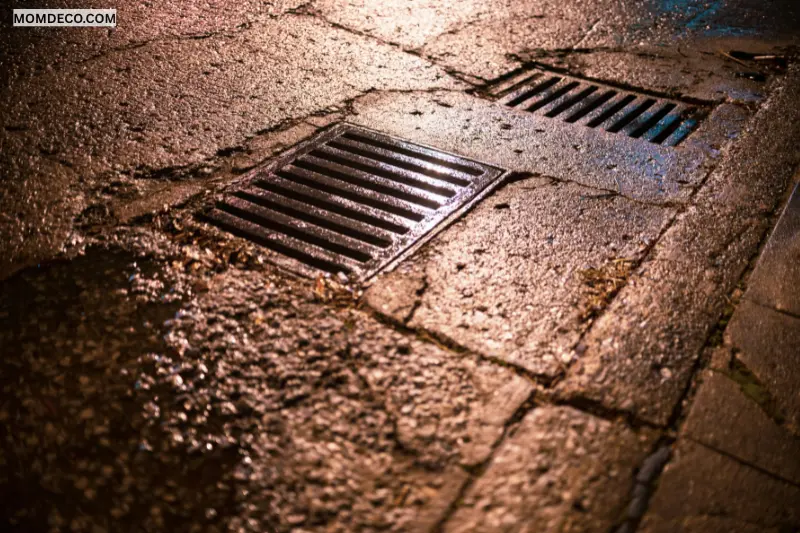
Many older paved gardens suffer from poor drainage because water cannot penetrate the surface. This often results in puddles, slippery areas, and long-term maintenance problems.
Permeable paving offers a smarter solution by allowing rainwater to drain naturally into the ground.
Benefits of Permeable Paving
Permeable paving helps:
- Reduce flooding risks
- Prevent standing water
- Improve soil health
- Support sustainable landscaping
- Reduce surface runoff
Best Permeable Options
Popular permeable paving materials include:
- Gravel
- Permeable concrete pavers
- Open-joint paving systems
- Grass reinforcement grids
These options combine functionality with environmental benefits.
5. Add Lighting for Style and Safety

Garden lighting is often overlooked, yet it can dramatically improve the appearance and usability of paved gardens.
Good lighting extends the enjoyment of your outdoor space long after sunset.
Popular Lighting Ideas
Consider adding:
- LED pathway lights
- Solar garden lights
- Recessed paving lights
- Spotlights for feature plants
- Wall-mounted lighting
Strategically placed lighting enhances safety while creating a warm and welcoming atmosphere.
6. Maintain Your Paving Regularly
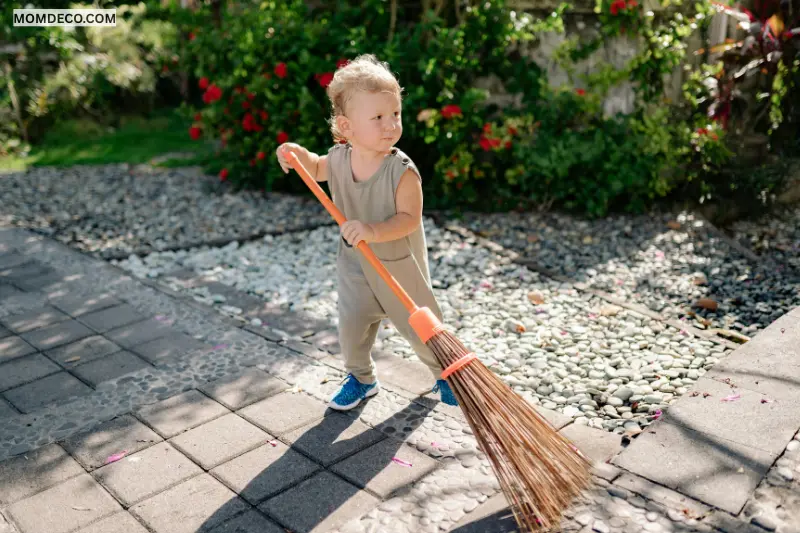
Although paved gardens are generally low maintenance, regular care is still important to preserve their appearance and longevity.
Small maintenance tasks performed consistently can prevent costly repairs in the future.
Essential Maintenance Tips
To keep paved gardens looking their best:
- Sweep leaves and debris regularly
- Remove weeds promptly
- Wash paving surfaces annually
- Inspect joints and edging
- Reseal paving when necessary
A simple maintenance routine can significantly extend the lifespan of your garden.
Common Paved Garden Mistakes to Avoid
Many paving projects fail because homeowners overlook important design and planning factors.
Over-Paving the Space
Too much paving can make a garden feel cold and uninviting. Always include planting areas to create balance.
Ignoring Drainage
Poor drainage can lead to water damage and slippery surfaces.
Choosing the Wrong Material
A material that looks attractive may not always be practical for your climate or lifestyle.
Using Too Many Styles
Limiting your design to a few complementary materials creates a more cohesive appearance.
Paved Garden Trends for 2026
Garden design trends continue to evolve, and paved gardens are no exception.
Popular trends include:
- Large-format paving slabs
- Outdoor kitchens
- Sustainable materials
- Mediterranean-inspired landscapes
- Smart garden lighting
- Wildlife-friendly planting
- Multi-level garden terraces
Incorporating some of these ideas can help create a modern and future-proof outdoor space.
Frequently Asked Questions
Are paved gardens low maintenance?
Yes, paved gardens are generally much lower maintenance than traditional lawns. They require minimal mowing, watering, and upkeep, making them ideal for busy homeowners.
What is the best paving material for a garden?
The best material depends on your budget and style preferences. Natural stone offers a premium look, porcelain provides durability, concrete is cost-effective, and gravel is excellent for drainage.
How do I prevent weeds from growing between paving slabs?
You can reduce weeds by using quality jointing compounds, sealing paving surfaces, and planting low-growing ground covers such as creeping thyme between slabs.
Is permeable paving better for paved gardens?
Yes, permeable paving helps rainwater drain naturally into the ground, reducing puddles, flooding risks, and drainage problems while supporting a more sustainable garden design.
Can paved gardens increase property value?
A well-designed paved garden can improve curb appeal, create functional outdoor living space, and make a property more attractive to potential buyers.
What plants work best in paved gardens?
Popular choices include creeping thyme, lavender, Irish moss, blue star creeper, sedum, ornamental grasses, and other drought-tolerant plants that soften hard landscaping.
How often should garden paving be cleaned?
Most paved gardens benefit from a thorough cleaning once or twice a year. Regular sweeping and occasional pressure washing help maintain their appearance.
Are paved gardens suitable for small spaces?
Absolutely. Paved gardens work particularly well in small gardens because they maximize usable space and can make compact areas feel larger and more organized.
What are the most common mistakes when designing paved gardens?
Common mistakes include over-paving the space, ignoring drainage, choosing unsuitable materials, neglecting plants, and using too many design styles in one garden.
How much does it cost to create a paved garden?
The cost varies depending on the size of the garden and the materials used. Gravel is usually the most affordable option, while natural stone and porcelain paving tend to be more expensive.
Conclusion
Paved gardens offer the perfect combination of beauty, functionality, and low maintenance. By selecting the right materials, balancing paving with plants, improving drainage, creating functional zones, and following a simple maintenance routine, you can design an outdoor space that remains attractive throughout the year.
Whether you are planning a complete garden makeover or making small improvements, these proven paved gardens tips will help you create a backyard that is stylish, practical, and built to last.